Christian Dior

1905-1957

The Architect of Form

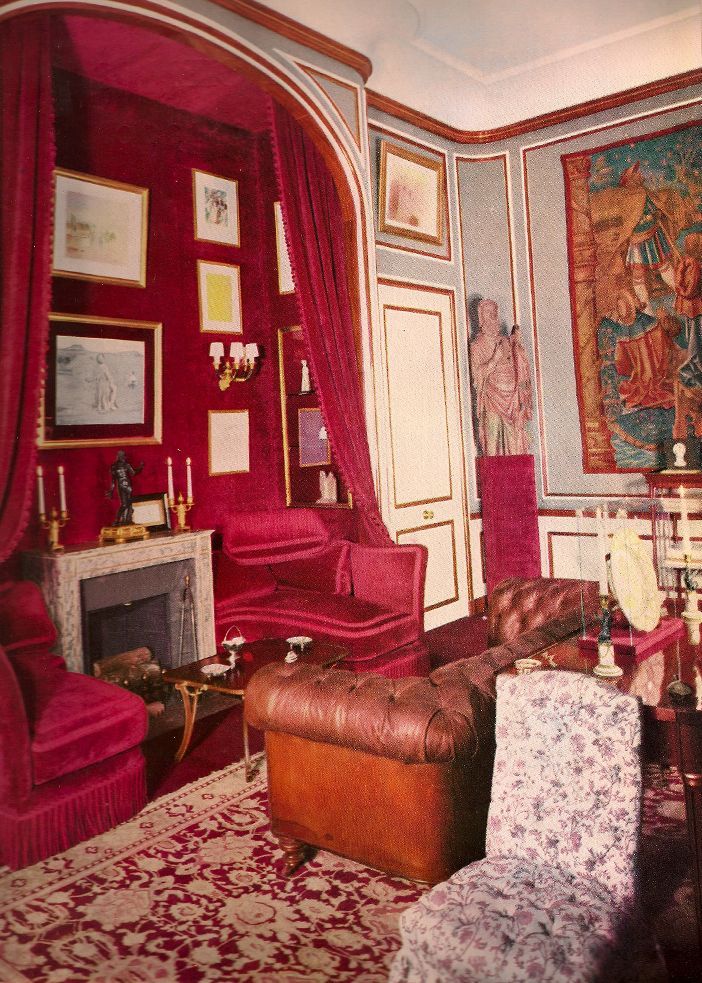
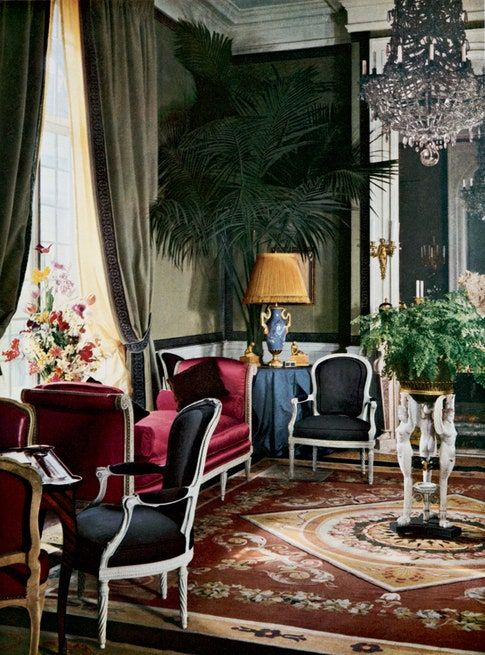
Before becoming the couturier of the ‘New Look’, Christian Dior was a gallerist with a passion for art and architecture. For him, a dress was constructed like a building. This vision naturally extended to the design of his salons on Avenue Montaigne, where he imposed a revisited ‘neo-18th-century’ style that became the visual code of French elegance around the world.

The Aesthetic: The Classicism of Tomorrow

The Dior style in decoration is a blend of graphic rigour and historical echoes. He popularised motifs that are today pillars of luxury design. His furniture favours light structures and powdery finishes, creating a soft setting for pieces of character.

Materials: Brushed rattan caning, Trianon-grey lacquer, gilded bronze and carved-wood medallions.

Icons: The ‘Médaillon’ chair with its caned back, the trompe-l'œil screens and the coffee tables with geometric motifs.

A Legacy Between Fashion and Furniture

Today, the Dior universe influences the greatest contemporary designers (such as Philippe Starck, who reinterpreted the Médaillon chair). Vintage furniture bearing the Dior name or inspired by the house's codes is extremely sought after by collectors for its ability to bring a touch of ‘Haute Couture’ to an interior. It is the ultimate symbol of Parisian chic — timeless and bold.